Nils Bauer · 13 September 2026
Sustainable Farming Experiments Draw Rare Butterflies to Valehouse Fields
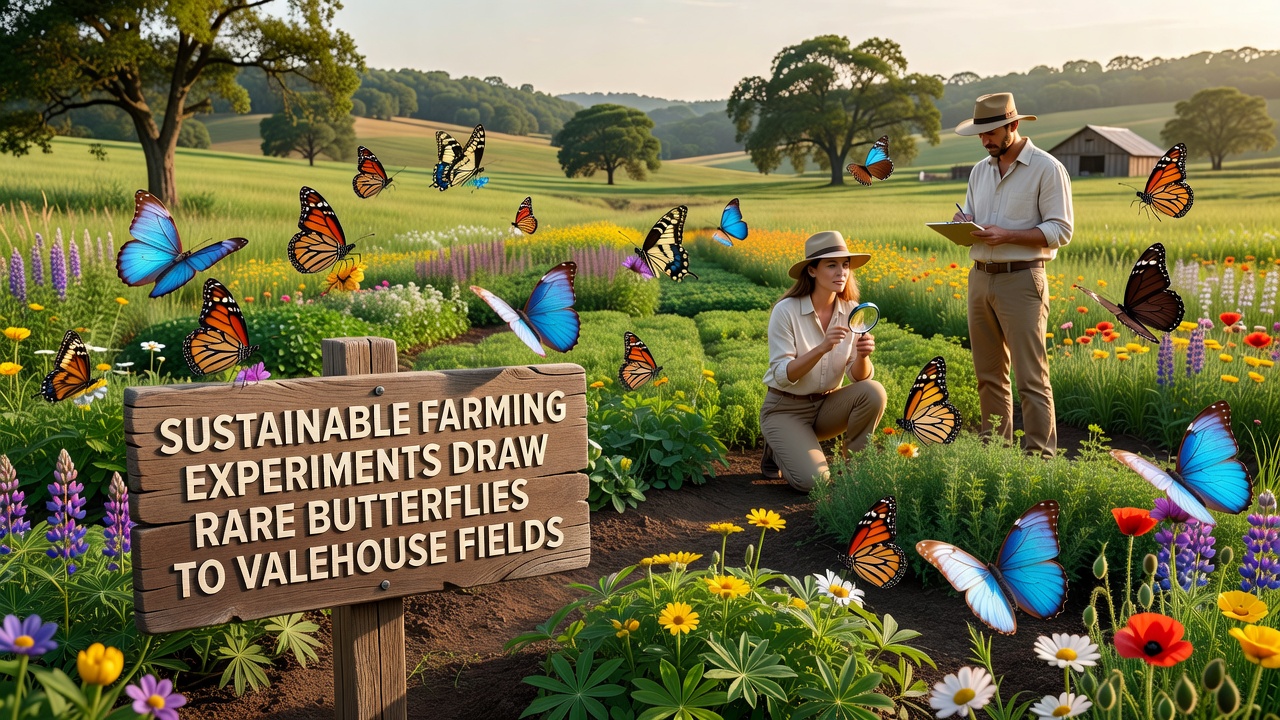
Experiments in sustainable farming at Valehouse Fields have coincided with rising numbers of rare butterfly species returning to the area, with monitoring data collected over multiple seasons showing clear patterns in species diversity and habitat use. Researchers from regional conservation groups have tracked these changes since the project began, noting that practices such as reduced chemical inputs, rotational grazing, and establishment of wildflower margins appear to create conditions favorable for pollinators that had declined in previous decades.
Practices Behind the Changes
Farmers participating in the trials replaced conventional tillage with minimum-disturbance methods while introducing cover crops and beetle banks across several parcels, and these adjustments align with findings from the US Department of Agriculture on how integrated approaches support biodiversity without sacrificing yield. Buffer zones planted with native nectar sources now border arable fields, providing continuous forage from spring through autumn, whereas previously fragmented habitats limited butterfly movement and breeding success.
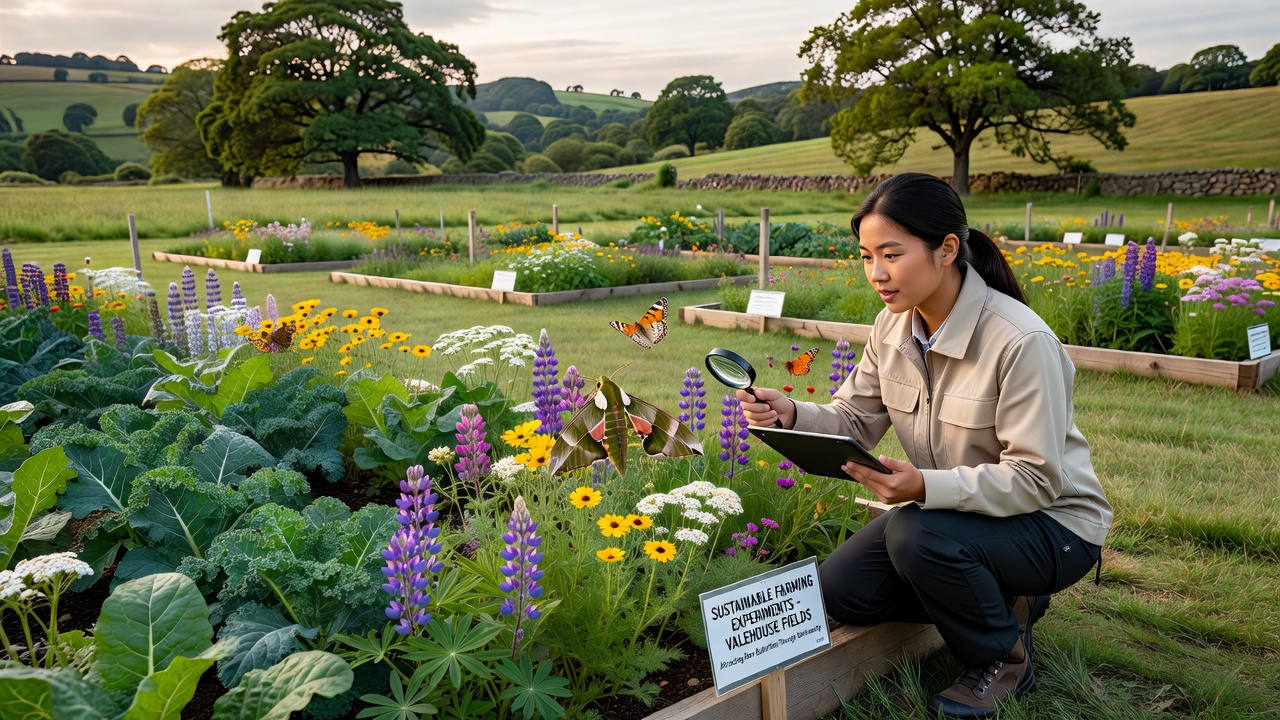
Soil health initiatives also form part of the work, with compost applications and reduced synthetic fertilizer use improving structure and microbial activity; observers note that these steps reduce runoff into nearby watercourses while indirectly benefiting larval host plants that certain butterfly species require. Data collected through standardized transect walks reveals higher counts of meadow browns, small coppers, and the more localized dingy skipper in treated areas compared with control plots that continued under standard management.
Species Observations and Seasonal Patterns
Among the notable records are repeated sightings of teh silver-spotted skipper, a species listed as vulnerable in regional assessments, along with occasional appearances of the white-letter hairstreak whose elm-dependent lifecycle benefits from hedgerow restoration. Counts conducted in late summer 2025 already exceeded the five-year average, and project coordinators expect continued monitoring through September 2026 to capture peak emergence periods for second-brood individuals.
Light-trap surveys and citizen-science submissions have supplemented formal transects, producing a broader picture of nocturnal moth activity that often overlaps with butterfly habitats. One study revealed that fields with the widest margins hosted up to three times the number of individuals per hectare, a pattern consistent with European research on agri-environment schemes.
Broader Ecological Context
Similar outcomes appear in other parts of the country where comparable methods have been adopted, yet the Valehouse results stand out because of the speed with which certain species reappeared after only three growing seasons. Soil invertebrate surveys conducted alongside butterfly monitoring show parallel increases in ground beetles and spiders, indicating that the farming changes support a wider food web rather than isolated gains in one taxon. The Australian Department of Agriculture, Water and the Environment has documented comparable rebounds in pollinator communities following adoption of integrated pest management, underscoring that outcomes observed locally fit within a larger body of evidence from varied climates and soil types.
Local records also document improved water quality in drainage ditches bordering the experimental plots, with nitrate levels dropping measurably after fertilizer reductions took effect. These improvements matter because many butterfly larvae develop in damp grassland edges where pollution previously suppressed host-plant vigor. Community volunteers assist with quarterly habitat assessments, contributing photographs and location data that researchers cross-reference with satellite imagery to verify vegetation changes over time.
Monitoring and Next Steps
Equipment installed at the site includes automated weather stations and soil-moisture sensors that feed into models predicting suitable conditions for both crops and invertebrates. Project leads plan to expand the wildflower network in 2026, focusing on additional parcels that connect existing corridors and thereby reduce isolation between populations. Continued collaboration with academic partners will allow genetic sampling of captured specimens to determine whether recolonizing individuals represent local survivors or arrivals from distant refugia.
Funding for the work has come through a combination of agri-environment payments and private grants, with annual reports made publicly available so other land managers can evaluate transferability. Figures from the current season already indicate that the approach maintains or slightly improves gross margins on participating holdings, removing a common barrier to wider uptake.
Conclusion
Records compiled so far demonstrate that targeted sustainable practices can reverse local declines in butterfly diversity within a relatively short timeframe, and ongoing measurements through September 2026 will clarify whether these gains stabilize or continue to grow. The Valehouse project supplies one concrete example of how farming adjustments and ecological monitoring together produce measurable habitat improvements without requiring wholesale changes to existing land use.