Zoe Fischer · 25 October 2026
Local Volunteers Revitalize Valehouse Railway Structures Through Coordinated Painting Projects
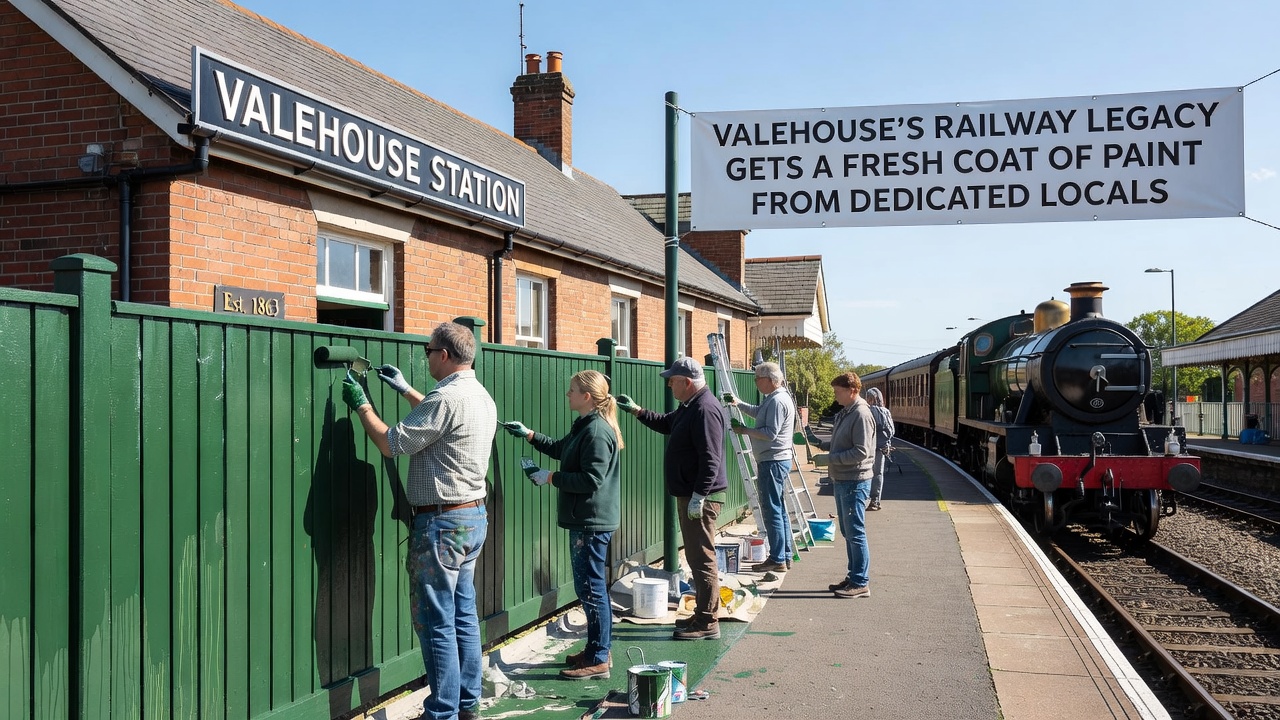
Volunteers across Valehouse have organized multiple sessions to repaint and maintain elements of the area's former railway infrastructure, including station signs, signal boxes, and trackside markers that date back to the early twentieth century. These efforts focus on preserving visible reminders of the region's rail connections that operated until the mid-1960s, when services ended following national network changes.
Project Background and Scope
Records from the Valehouse local history archive show that the railway line once carried both passengers and freight through the village, connecting it to larger towns until closure in 1965. Remaining structures include cast-iron signs and wooden shelters that have weathered decades of exposure, prompting the current volunteer initiative to apply protective coatings and restore original color schemes based on archival photographs. Work began in spring 2025 wth teams dividing tasks among different sites along the disused line, and organizers have scheduled completion of the main phase for October 2026.
Participants gather on weekends to prepare surfaces, apply primer, and finish with heritage-matched paints sourced from specialist suppliers. Data from similar community heritage projects tracked by the Heritage Railway Association indicates that regular maintenance extends the lifespan of outdoor metal and wood features by several years when coatings are renewed every five to seven years.
Community Participation Details
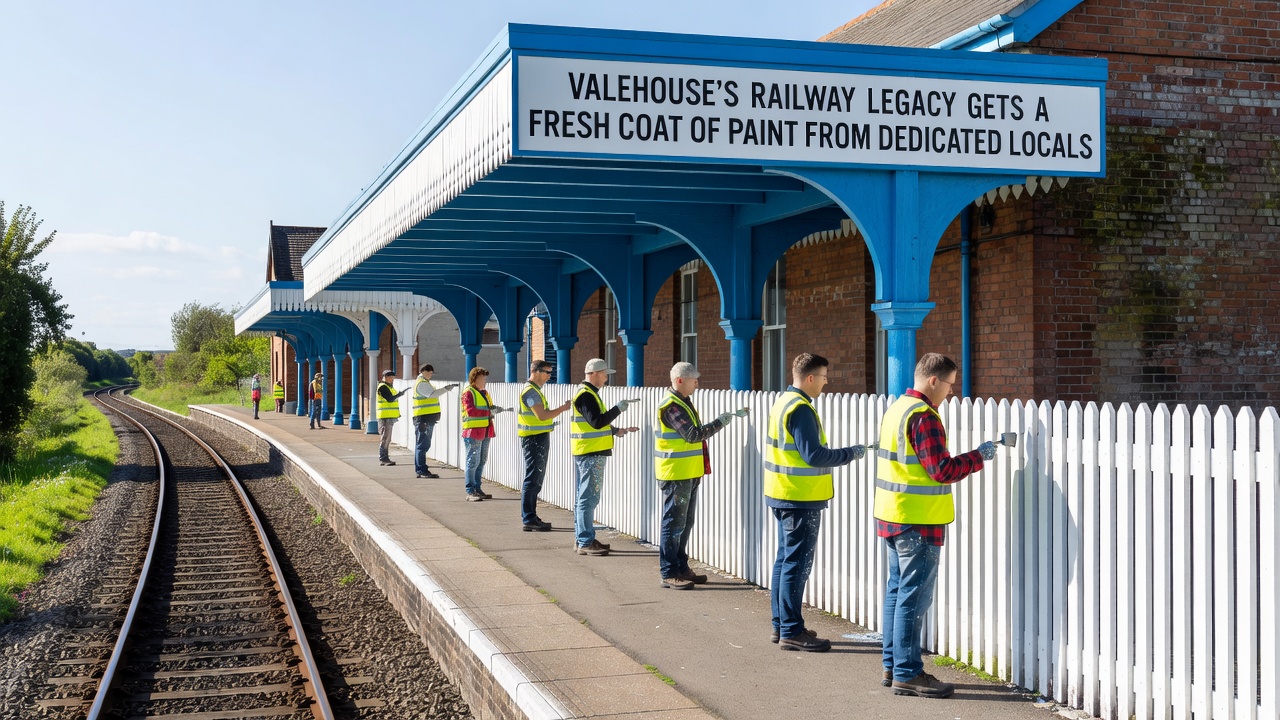
Residents of various ages have joined the groups, with some contributing through fundraising for materials while others handle the physical application. One ongoing team focuses on the old platform edge at the former halt, where faded lettering required careful stenciling to match period styles. Another group targets the signal post remnants near the village boundary, applying rust inhibitors before the topcoat.
Coordination occurs through a local community noticeboard and monthly meetings at the village hall. Equipment is stored at a shared facility near the old goods yard, and safety briefings precede each session to cover ladder use and weather considerations. Figures from the Valehouse parish records reveal that over forty individuals have registered for at least one session since the project launch.
Materials and Techniques Employed
Teams select paints formulated for exterior durability, including those with UV stabilizers and anti-corrosive properties suited to the local climate. Application follows guidelines from the International Council on Monuments and Sites, which emphasize reversible treatments that do not damage underlying original materials. Brushes and rollers are used for most surfaces, while spray equipment handles larger flat areas on the signal boxes.
Color choices draw from historical documentation held at the county records office, confirming that the original livery featured specific shades of green and cream common to the former operating company. Touch-up work continues as needed, and volunteers document progress with dated photographs stored in a shared digital archive accessible to the public.
Related Heritage Activities
Alongside the painting, some participants have collected oral histories from former railway workers and their families, adding context to the physical restoration. These accounts describe daily operations at the station and the impact of the line's closure on local transport patterns. The collected material will feed into an exhibition planned for teh village library in late 2026.
Links to broader rail heritage appear through occasional visits from members of the National Railway Historical Society, who have shared technical advice on period-accurate detailing. Such exchanges have helped refine techniques for lettering and numbering on the restored signs.
Future Maintenance Plans
Organizers intend to establish a rotating schedule for inspections after the October 2026 milestone, ensuring that new coatings receive periodic checks for wear. Funding for ongoing supplies comes from small grants and local donations, with records maintained to track expenditures and volunteer hours. Similar programs in other regions have demonstrated that sustained community involvement keeps such sites in good condition without requiring large institutional budgets.
Conclusion
The painting initiative continues to draw steady participation as work progresses toward the 2026 target date. Updated structures now display refreshed appearances that align with archival evidence while protecting the materials against further deterioration. Ongoing records from the project will provide a reference for any future community efforts addressing remaining railway features in the area.