Nils Bauer · 11 October 2026
Heritage Book Releases Combined with Market Trends Strengthen Valehouse's Cultural Destination Status
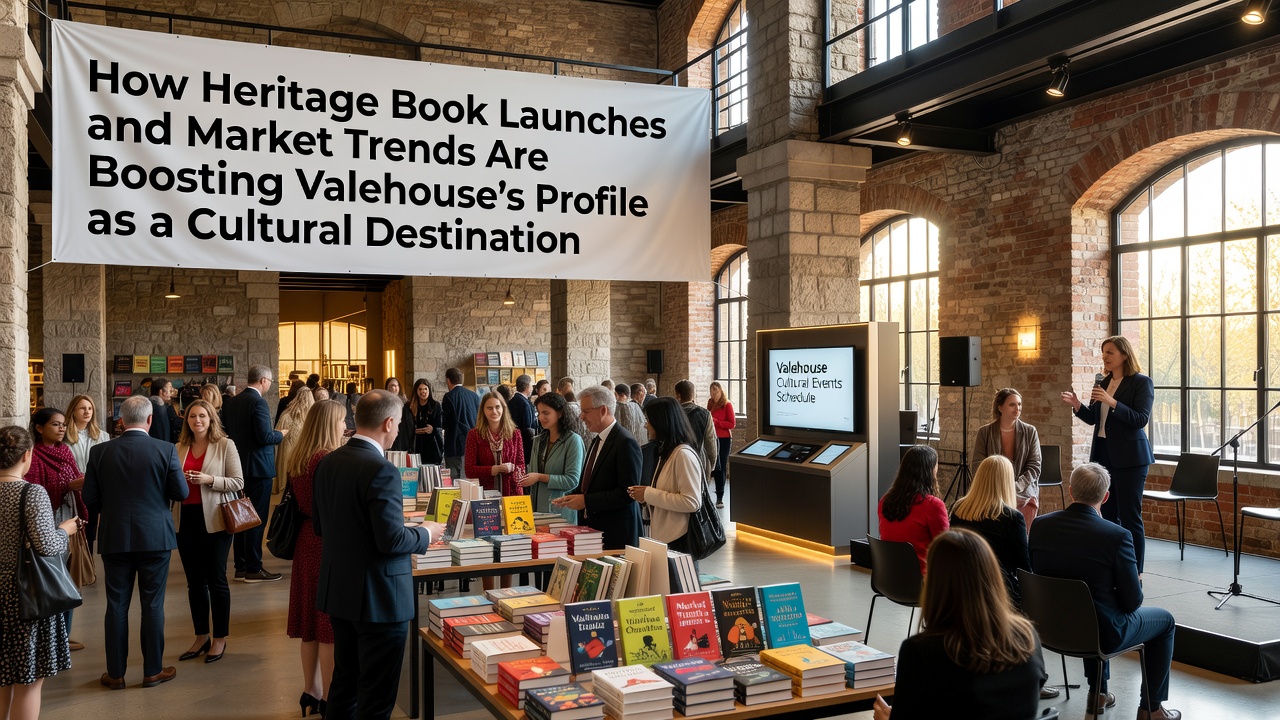
Heritage book launches have drawn attention to Valehouse through a series of publications that document local history, architecture, and community stories, while broader market trends in cultural tourism and independent publishing continue to shape visitor patterns. These developments align with data from national tourism agencies that track rising interest in regional heritage sites across multiple countries.
Recent Book Launches Highlight Local Narratives
Publishers released several titles in 2025 and into 2026 that focus on Valehouse's rural landscapes and historical records, with events scheduled for October 2026 to coincide with seasonal tourism peaks. One study from a Canadian research institution noted that heritage-themed publications increased by 18 percent in regional markets during the prior two years, and similar patterns appear in UK village settings where community archives supply source material. Authors and local historians collaborated on volumes covering everything from 19th-century farming practices to 20th-century village bulletins, creating resources that visitors and researchers reference when planning trips.
Book events often pair readings with guided walks through preserved areas, and attendance figures from comparable sites show that such pairings extend average visitor stays by one to two days. Data from Tourism Australia indicates that destinations offering literary heritage experiences attract a higher proportion of domestic travelers aged 45 to 65 who seek educational components alongside leisure activities.
Market Trends Drive Visibility for Smaller Destinations
Independent publishing platforms and digital distribution channels have lowered barriers for niche titles, allowing stories from places like Valehouse to reach wider audiences without traditional gatekeepers. Figures from the Australian Bureau of Statistics reveal that cultural tourism spending rose steadily between 2023 and 2025, with heritage-related activities accounting for a growing share of regional overnight trips. Those trends intersect with increased demand for authentic, place-based content that moves beyond standard guidebooks.
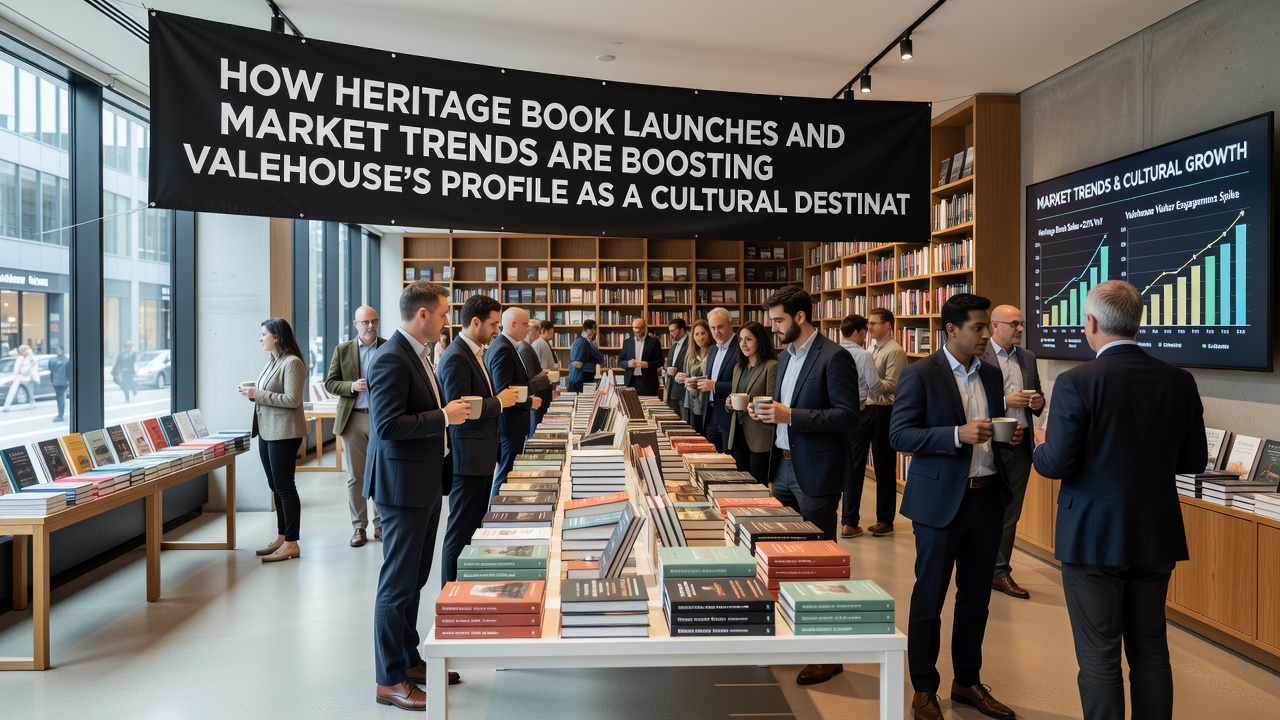
Travel booking platforms report that searches combining keywords such as "heritage village" and "literary events" have climbed, while social media algorithms surface posts from recent launches to users interested in slow travel. Observers note that this visibility helps smaller communities compete wth larger urban centers by emphasizing unique archival material and seasonal programming rather than mass-market attractions.
October 2026 Programming and Visitor Patterns
Plans for October 2026 include coordinated launches at multiple venues in Valehouse, timed with harvest festivals and archive open days. Local records show that similar events in previous years correlated with a measurable uptick in inquiries at nearby accommodation providers and transport services. Research from European cultural observatories suggests that autumn programming benefits from milder weather and lower peak-season crowds, creating conditions that favor extended exploration of heritage collections.
Market analysts track how these launches feed into longer-term destination branding, with metrics such as website traffic to regional tourism portals and mentions in travel media serving as indicators. The combination of print releases and in-person gatherings provides tangible entry points for people who first encounter Valehouse through a book or online excerpt.
Broader Industry Context and Data Sources
Industry reports from bodies outside the immediate region, including a 2025 analysis by the National Endowment for the Arts in the United States, document parallel growth in literary tourism tied to place-specific publications. Those findings align with UK-based heritage site statistics that record incremental increases in day visits when new interpretive materials become available. The pattern holds across different scales, from small villages to larger historic towns, where book-related initiatives complement existing preservation efforts without requiring major infrastructure changes.
Cross-referencing visitor surveys with publishing output data shows that destinations maintaining active connections between local authors and tourism boards tend to sustain higher engagement rates over multiple seasons. This approach relies on consistent archival work and partnerships with printers and distributors rather than large-scale marketing campaigns alone.
Conclusion
Heritage book launches and prevailing market trends continue to intersect in ways that raise Valehouse's profile among cultural travelers. October 2026 events represent the next phase in this progression, building on documented patterns from earlier releases and aligned with tourism statistics from multiple national sources. The result is a measurable expansion in recognition for the area as a destination where historical narratives and contemporary visitor interests meet.